
How to Set Up Spam Rating Reduction for SMS Services: A Comprehensive Guide for Enterprises
Discover essential steps and best practices for setting up spam rating reduction in SMS services, ensuring effective communication for South African enterprises.
In an era where mobile communication is paramount, ensuring that your SMS messages reach their intended recipients without being marked as spam is crucial for enterprise success. Setting up spam rating reduction for SMS services is essential for maintaining effective communication with stakeholders, customers, and partners. This guide will provide enterprise IT decision-makers, compliance officers, and procurement managers with the necessary steps and insights to optimize SMS campaigns for better deliverability.
Understanding SMS Spam Ratings
Spam ratings refer to the metrics that mobile carriers and filtering systems use to identify and classify messages as spam or legitimate communication. A high spam rating can lead to messages being blocked or diverted, reducing the effectiveness of your communication strategy. Therefore, a clear understanding of these metrics is the first step in reducing spam ratings.
Key Factors Influencing SMS Spam Ratings
- Message Content: Messages with misleading content, excessive links, or promotional language may trigger spam filters.
- Sender Reputation: Utilizing new or unverified sender IDs can lead to high spam scores.
- User Complaints: The more recipients mark your messages as spam, the higher your spam rating will climb.
Step-by-Step Guide to Setting Up Spam Rating Reduction
Implementing effective spam rating reduction techniques requires a detailed approach. Below is a structured set of steps enterprise businesses can follow to enhance the deliverability of their SMS communications:
1. Establish a Clear Opt-In Process
Engage customers with an explicit opt-in process that requires consent before sending promotional messages. This not only ensures compliance with POPIA regulations but also builds trust with your audience.
2. Monitor Sender Reputation
Regularly check your sender reputation using tools provided by SMS gateways. Maintaining a good sender reputation will help avoid unwanted spam classifications.
3. Craft Quality Content
Ensure your message content is clear, concise, and relevant to your audience. Avoid promotional language that could be misconstrued as spam. Personalize messages wherever possible.
4. Use Consistent Sender IDs
Utilize registered sender IDs consistently across all SMS campaigns. This helps build familiarity with your recipients and enhances your sender reputation.
5. Active Management of Complaints
Promptly address any complaints from recipients regarding unsolicited messages to reduce the likelihood of being flagged as spam.
Best Practices for Optimizing SMS Campaigns
Once the initial setup has been completed, ensuring the long-term success of SMS campaigns requires ongoing optimization:
Continuous Testing and Feedback
Regularly test different messaging styles, sending frequencies, and scheduling to determine what resonates best with your audience. Gather feedback to improve future campaigns.
Utilize Analytics to Measure Engagement
Employ analytics tools to measure engagement levels, open rates, and SMS response to gauge the effectiveness of your communications. Adjust strategies based on the data.
Understanding Regulatory Compliance and Legal Obligations
Compliance with the Protection of Personal Information Act (POPIA) and other regulations is crucial for successful SMS campaigns. Remain informed of your obligations, including obtaining explicit consent for sending messages and providing recipients with an option to opt-out.
Conclusion: Elevate Your SMS Communication Strategy
By implementing effective spam rating reduction strategies and adhering to best practices, enterprises can significantly enhance the delivery and effectiveness of their SMS services. This not only helps to build trust with customers but also improves the overall communication strategy, paving the way for better engagement and results.
Key Features Include
Discover our comprehensive solution features designed to transform your business communication experience

Personalized Microsites
Bidvest Data sends on average more than 10 million personalized SMS/SV SMS messages per month, with daily peaks exceeding 2 million messages. This comprises mainly of transactional notifications and hosted transactional data.
Secure and Trackable
The SMS channel delivers a secure, shortened personalized URL to the consumer, directing them to their unique microsite. All consumer activity can be tracked.

Zero Rated Data
PDF documents, HTML content, videos and animations can be hosted on our Zero Rated Data domains. Reverse billing of data on these domains ensure access for end users to content at no cost. Bidvest Data offers this service on all South African and Namibian mobile networks.

Customizable
Bidvest Data offers custom-built, screen adaptive, HTML environments, enabling features like animation, rotating GIFs, and interactive buttons.

Large File Batch and Near Real Time Singular Sending
Our service includes automated large file batch sending through sFTP data transfer. The data can selectively drive template messaging. Near real-time SMS sending is facilitated through our API, using templates or dynamic text.
Integrated Failover to the Next Available Channel
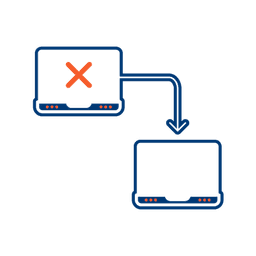
Where another channel in our omnichannel platform is unsuccessful in delivering a message, we can automatically fail over to SMS. Priority and fail over channels are configurable.

Detailed Reporting
Bidvest Data provides near-real-time and periodic aggregate batched reporting on consumer engagement, including link tracking, SMS and SV SMS delivery status, and customized reports on microsite access.
Ready to Transform Your Sms And Svsms?
Get started today and see immediate results
Frequently Asked Questions
Get answers to common questions about Sms And Svsms