
How to Ensure Data Security in Mobile Messaging Services for South African Enterprises
Explore key strategies for ensuring data security in mobile messaging services tailored for South African enterprises, focusing on compliance, implementation measures, and employee training.
In an era where data security concerns are at the forefront of organizational priorities, South African enterprises must adopt rigorous protocols to protect sensitive information transmitted via mobile messaging services. This comprehensive guide delves into essential strategies, compliance considerations, and practical implementations for safeguarding data across mobile platforms commonly used in industries such as finance, healthcare, and logistics.
Understanding the Risks in Mobile Messaging
The mobile messaging landscape presents unique vulnerabilities that can lead to data breaches, unauthorized access, and loss of confidential information. Key risks include:
- Interception of Messages: Without proper security measures, messages can be intercepted during transmission.
- Device Vulnerabilities: Mobile devices may be susceptible to malware and unauthorized applications that can compromise data.
- Insider Threats: Employees with access to sensitive information may mishandle data intentionally or inadvertently.
Compliance with Local Regulations
Adhering to South African data protection laws, such as the Protection of Personal Information Act (POPIA), is vital for any enterprise utilizing mobile messaging services. Key compliance measures include:
Essential Compliance Practices
- Informed Consent: Ensure that all recipients of mobile messages have consented to receive communications.
- Data Minimization: Only collect and transmit user data that is essential for service provision.
- Secure Storage Practices: Implement strong data storage protocols that align with POPIA compliance.
- Regular Audits: Conduct compliance audits to ensure adherence to statutory requirements.
Implementing Security Measures in Mobile Messaging
To effectively mitigate risks, enterprises must establish a multi-layered security framework that incorporates the following measures:
Multi-Layered Security Protocols
- End-to-End Encryption: Employ encryption techniques that ensure messages remain unreadable by intermediaries or unauthorised parties.
- Secure Authentication: Utilize multi-factor authentication (MFA) to verify user identities and prevent unauthorized access.
- Regular Updates and Patching: Keep mobile applications and devices updated to protect against vulnerabilities.
- Data Loss Prevention (DLP): Implement DLP solutions to monitor and control the movement of sensitive data.
Choosing the Right Mobile Messaging Solution
When selecting a mobile messaging provider, consider key security features:
Security Features to Look For
- Compliance with industry standards and local regulations.
- Robust encryption protocols in transit and at rest.
- Comprehensive threat detection capabilities.
- Access control mechanisms to restrict sensitive data handling.
Vendor Reputation and Support
Research the vendor's track record regarding security incidents and responsiveness to breaches. Opt for providers that offer robust support services for swift incident management.
Training and Awareness for Employees
Human error remains a significant factor in data security breaches. Thus, it is crucial to provide comprehensive training for all employees handling mobile messaging:
Key Training Components
- Best practices for data handling and sharing via messaging platforms.
- Awareness of phishing attacks and how to recognize suspicious activity.
- Procedures to follow in the event of a suspected data breach.
Continuous Monitoring and Evaluation
Establish a framework for continuous monitoring of mobile messaging services to identify potential risks and respond proactively. Implementing regular assessments can significantly enhance data security:
- Incident Response Plan: Develop a detailed plan for addressing data breaches and security incidents.
- Regular Security Audits: Schedule frequent audits to assess the effectiveness of implemented security measures.
- Performance Metrics: Track key metrics such as message interception rates and response times to incidents.
Key Features Include
Discover our comprehensive solution features designed to transform your business communication experience

Personalized Microsites
Bidvest Data sends on average more than 10 million personalized SMS/SV SMS messages per month, with daily peaks exceeding 2 million messages. This comprises mainly of transactional notifications and hosted transactional data.
Secure and Trackable
The SMS channel delivers a secure, shortened personalized URL to the consumer, directing them to their unique microsite. All consumer activity can be tracked.

Zero Rated Data
PDF documents, HTML content, videos and animations can be hosted on our Zero Rated Data domains. Reverse billing of data on these domains ensure access for end users to content at no cost. Bidvest Data offers this service on all South African and Namibian mobile networks.

Customizable
Bidvest Data offers custom-built, screen adaptive, HTML environments, enabling features like animation, rotating GIFs, and interactive buttons.
Large File Batch and Near Real Time Singular Sending
Our service includes automated large file batch sending through sFTP data transfer. The data can selectively drive template messaging. Near real-time SMS sending is facilitated through our API, using templates or dynamic text.
Integrated Failover to the Next Available Channel
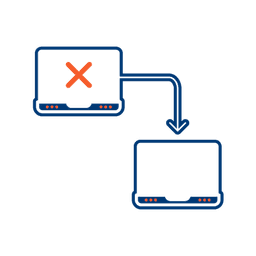
Where another channel in our omnichannel platform is unsuccessful in delivering a message, we can automatically fail over to SMS. Priority and fail over channels are configurable.

Detailed Reporting
Bidvest Data provides near-real-time and periodic aggregate batched reporting on consumer engagement, including link tracking, SMS and SV SMS delivery status, and customized reports on microsite access.
Ready to Transform Your Sms And Svsms?
Get started today and see immediate results
Frequently Asked Questions
Get answers to common questions about Sms And Svsms