
File Sharing vs. Email: Which Is Better for South African Businesses?
Explore the pros and cons of file-sharing platforms versus email for South African businesses. Find out which method is better for enhancing collaboration, security, and compliance.
In today's digital workspace, effective communication and file management are critical for business efficiency, productivity, and security. While traditional email has long been the go-to solution for sharing documents and information, file-sharing platforms are quickly gaining popularity. This comprehensive guide delves into the strengths and weaknesses of both file-sharing and email systems, particularly within the context of South African enterprises, helping IT decision-makers, compliance officers, and operational heads choose the best solution for their organizations.
Understanding the Differences: Email vs. File Sharing
While both email and file-sharing platforms serve the purpose of transmitting information, they operate in fundamentally different ways:
1. Email Communication
- Message-Based: Email relies on individual messages containing information or documents as attachments.
- Scalability Constraints: Attachment limits can restrict larger files, complicating the sharing of extensive data.
- In-depth Tracking: Some systems allow for basic tracking of sent emails, but efficiency in monitoring is often limited.
2. File-Sharing Platforms
- Collaborative Features: Many platforms support real-time collaboration, offering tools for multiple users to edit documents concurrently.
- No Size Limits: Share files of virtually any size using cloud storage solutions, making it easier to manage large projects.
- Enhanced Security: File-sharing usually incorporates advanced security protocols, including encryption and access control mechanisms.
Benefits of Email for Businesses
Despite the rapid growth of file-sharing platforms, email remains a staple in business communication for several compelling reasons:
- Ubiquity: Virtually every organization uses email, ensuring compatibility and ease of use across different systems.
- Audit Trail: Emails create an automatic record of communications, which can be beneficial for compliance purposes.
- Direct Communication: Email allows for immediate correspondence, making it easier to engage one-on-one with stakeholders.
Common Use Cases for Email in Enterprises
Within corporate environments, email serves several practical functions:
- Internal memos and updates to staff.
- Client communication, including proposals and contracts.
- Notification of key changes or announcements.
Advantages of File-Sharing Platforms
File-sharing platforms offer distinct advantages that address many of the limitations associated with email:
- Real-Time Collaboration: Teams can work together on documents from different locations, making teamwork more efficient.
- Version Control: These platforms typically include features to track changes and maintain document versions, avoiding confusion.
- Data Security and Compliance: Industry standards are often integrated, ensuring compliance with regulations like POPIA in South Africa.
Best Practices for File Sharing in South African Enterprises
For businesses looking to implement file-sharing, consider these best practices:
- Choose the Right Platform: Select file-sharing software that fits your business needs, taking into account user ease, security features, and compatibility.
- Establish Clear Policies: Create guidelines around file-sharing usage, including permissions and access controls.
- Provide Employee Training: Ensure employees understand the tools and best practices for secure and efficient file sharing.
Making the Right Choice for Your Business
Deciding between email and file-sharing platforms involves considering various factors alongside your organizational needs:
- Nature of Communication: Are messages predominantly one-off or collaborative? This can indicate if email or file-sharing is more suitable.
- Type and Size of Files: Consider the types of documents shared and their size. Large projects typically favor file-sharing platforms.
- Security and Compliance Needs: Ensure chosen platforms comply with regulatory standards relevant to your industry.
Conclusion: The Future of Business Communication
Both email and file-sharing platforms offer unique advantages that can cater to different aspects of business communication. As South African enterprises evolve in a digital landscape, leveraging both methods in a complementary way may yield the best outcomes. By understanding their functions, benefits, and constraints, IT decision-makers can optimize communication, collaboration, and operational efficiency across their organizations.
Key Features Include
Discover our comprehensive solution features designed to transform your business communication experience
Managing your sending domains
We implement your designs, images and artwork for optimal delivery. We measure and manage spam ratings, and we monitor and manage blacklisting and reputation of sending domains.

Zero Rated Data
PDF documents, HTML content, videos and animations can be hosted on our Zero Rated Data domains. Reverse billing of data on these domains ensure access for end users to content at no cost. Bidvest Data offers this service on all South African and Namibian mobile networks.
Customizable
Bidvest Data offers custom-built, screen adaptive, HTML environments, enabling features like animation, rotating GIFs, and interactive buttons in the email body and built into the unique microsite.
Large File Batch and Near Real Time Singular Sending
Our service includes automated large file batch sending through sFTP data transfer. The data can selectively drive template messaging. Near real-time email sending is facilitated through our API, using templates or dynamic text.
Integrated Failover to the next available channel
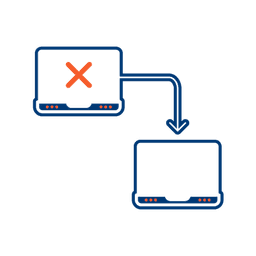
Where another channel in our omnichannel platform is unsuccessful in delivering a message, we can automatically fail over to email. Priority and fail over channels are configurable.

Detailed Reporting
Bidvest Data provides near-real-time and periodic aggregate batched reporting on consumer engagement, including link tracking, email delivery status, and customized reports on microsite access.
Ready to Transform Your EMAIL?
Get started today and see immediate results
Frequently Asked Questions
Get answers to common questions about EMAIL