
Navigating Enterprise Use of Email: Compliance Requirements for South African Businesses
Explore essential compliance requirements for enterprise email use in South Africa. Learn how to effectively navigate POPIA and other regulations to ensure secure email communications.
In today’s digital landscape, email remains a vital communication tool for enterprises in South Africa, particularly for sectors such as finance, healthcare, and government. However, with the implementation of stringent compliance regulations such as the Protection of Personal Information Act (POPIA), understanding the compliance requirements surrounding the enterprise use of email is essential. This guide aims to provide medium and large businesses with the insights needed to navigate these complex requirements and leverage email effectively while ensuring compliance and data protection.
Understanding Compliance Requirements for Email Use
Compliance in the context of email involves adhering to various legal regulations and best practices aimed at protecting sensitive information and maintaining confidentiality. In South Africa, POPIA is one of the foremost pieces of legislation impacting how organizations handle personal information, including communications conducted via email.
Key Compliance Regulations
- Protection of Personal Information Act (POPIA): This act aims to protect personal data processed by public and private bodies. It emphasizes the need for explicit consent before collecting personal data and mandates organizations to implement appropriate security measures to safeguard this information.
- Electronic Communications and Transactions Act (ECTA): This regulation governs electronic transactions in South Africa and includes provisions for secure electronic communications, requiring businesses to ensure message authenticity and integrity.
- Consumer Protection Act (CPA): This act lays out guidelines for fair trading practices, emphasizing the importance of transparency and honesty in communications, including promotional emails.
Implementing Email Compliance Best Practices
To ensure compliance with these regulations while using email as a communication channel, businesses must adopt rigorous best practices:
Essential Best Practices for Email Compliance
- Maintain Clear Policies: Develop and document clear email usage policies that outline acceptable use, data handling, and security protocols.
- Obtain Consent: Always seek explicit consent from recipients before sending marketing emails or processing personal data. Utilize double opt-in methods for added security.
- Implement Data Encryption: Use encryption tools to secure both email content and attachments, providing an additional layer of protection against unauthorized access.
- Regular Training and Awareness: Provide ongoing training for employees on compliance requirements, phishing threats, and secure email practices to foster a culture of security within the organization.
- Audit and Monitor: Conduct regular audits of email communications and monitor compliance with internal policies and external regulations to identify areas for improvement.
Ensuring Record Keeping and Documentation
Record keeping is crucial for compliance, as businesses must be able to demonstrate adherence to regulations such as POPIA. Key strategies for effective record keeping include:
Record Keeping Strategies
- Automated Archiving Solutions: Implement email archiving solutions that ensure all email communications are securely stored, indexed, and easily retrievable.
- Retention Policies: Establish clear data retention policies that specify how long emails should be kept in compliance with legal requirements while ensuring unnecessary data is regularly purged.
- Audit Trails: Maintain detailed logs of email communications to verify compliance during audits and to respond to any inquiries from regulatory bodies.
Industry-Specific Considerations
Various industries face unique challenges in terms of email compliance. Here’s how different sectors can approach their specific compliance needs:
Sector-Specific Strategies
Financial Services
Firms must ensure that all communications adhere to industry regulations, provide audit trails, and maintain confidentiality of sensitive client information.
Healthcare
Healthcare providers need to be particularly vigilant about compliance with data protection laws and ensure that emails containing patient information are encrypted and securely transmitted.
Conclusion
Complying with email regulations is not just about avoiding penalties; it’s about building trust with clients and stakeholders through secure, transparent communications. By understanding the key compliance requirements and implementing best practices, South African enterprises can leverage email as an effective communication tool while ensuring that they remain compliant with the law.
Key Features Include
Discover our comprehensive solution features designed to transform your business communication experience
Managing your sending domains
We implement your designs, images and artwork for optimal delivery. We measure and manage spam ratings, and we monitor and manage blacklisting and reputation of sending domains.

Zero Rated Data
PDF documents, HTML content, videos and animations can be hosted on our Zero Rated Data domains. Reverse billing of data on these domains ensure access for end users to content at no cost. Bidvest Data offers this service on all South African and Namibian mobile networks.

Customizable
Bidvest Data offers custom-built, screen adaptive, HTML environments, enabling features like animation, rotating GIFs, and interactive buttons in the email body and built into the unique microsite.
Large File Batch and Near Real Time Singular Sending
Our service includes automated large file batch sending through sFTP data transfer. The data can selectively drive template messaging. Near real-time email sending is facilitated through our API, using templates or dynamic text.
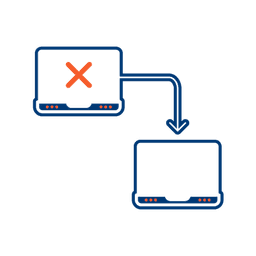
Integrated Failover to the next available channel
Where another channel in our omnichannel platform is unsuccessful in delivering a message, we can automatically fail over to email. Priority and fail over channels are configurable.

Detailed Reporting
Bidvest Data provides near-real-time and periodic aggregate batched reporting on consumer engagement, including link tracking, email delivery status, and customized reports on microsite access.
Ready to Transform Your EMAIL?
Get started today and see immediate results
Frequently Asked Questions
Get answers to common questions about EMAIL