
The Enterprise Use of Email Body Text Archiving: Best Practices and Compliance for South African Businesses
Discover the importance of email body text archiving for South African enterprises. Explore best practices, compliance challenges, and solutions tailored for effective email management.
In the contemporary digital landscape, where communication is predominantly conducted through electronic messaging, the need for effective email body text archiving has never been more pronounced. For enterprises, particularly within sectors such as finance, healthcare, and government, maintaining a robust email archiving solution is crucial not only for compliance purposes but also for information governance and operational efficiency. This guide delves into the enterprise use of email body text archiving, detailing its importance, best practices, and compliance with South African regulations.
Understanding Email Body Text Archiving
Email body text archiving refers to the systematic storage of email content, including the bodies of messages, attachments, and associated metadata, in a compliant and retrievable manner. This process acts as a safeguard for businesses, allowing them to ensure the integrity and availability of email communications over time.
Key Benefits of Email Body Text Archiving
- Regulatory Compliance: Adhering to financial and privacy regulations, such as the Protection of Personal Information Act (POPIA), necessitates structured retention policies for email communications.
- Risk Mitigation: Archiving emails protects organizations from legal liabilities and aids in dispute resolution by providing a reliable record of communications.
- Operational Efficiency: A centralized archiving solution enhances productivity by allowing employees to retrieve historical emails swiftly, minimizing downtime and search efforts.
- Data Preservation: Safeguarding critical business information against data loss due to accidental deletion or system failures ensures continuity in operations.
Implementing Effective Email Archiving Solutions
To successfully implement an email body text archiving solution, enterprises should consider the following best practices:
1. Define Archiving Policies
Establish clear policies that outline what types of emails will be archived, retention periods, and access controls. These policies should align with industry regulations and organizational needs.
2. Choose the Right Technology
Select an archiving solution that integrates seamlessly with existing email systems and provides features such as automated archiving, search functionality, and secure data storage.
3. Ensure Compliance
Stay updated on relevant regulations, including POPIA and other industry-specific laws, to ensure your archiving practices meet compliance requirements.
4. Train Employees
Provide training for staff on using the archiving system effectively and understanding compliance requirements related to email communications.
Monitoring and Evaluating Archiving Practices
Continuous evaluation of email archiving practices ensures ongoing compliance and operational efficiency. Regularly review archived content, assess retrieval processes, and fine-tune policies according to evolving business needs and regulatory landscapes.
Challenges in Email Body Text Archiving
While email archiving offers numerous benefits, organizations must also confront potential challenges, including:
- Difficulty in managing large volumes of emails over time
- Ensuring the security and integrity of archived data
- Compliance complexities across different jurisdictions and regulations
Conclusion: Future-Proofing Your Email Archiving Strategy
As enterprises in South Africa continue to adapt to the evolving digital communication landscape, email body text archiving remains a critical component of effective information governance. By implementing best practices, leveraging the right technologies, and ensuring continuous compliance, organizations can safeguard their communications while enhancing operational efficiency and reducing legal risks.
Key Features Include
Discover our comprehensive solution features designed to transform your business communication experience

Managing your sending domains
We implement your designs, images and artwork for optimal delivery. We measure and manage spam ratings, and we monitor and manage blacklisting and reputation of sending domains.

Zero Rated Data
PDF documents, HTML content, videos and animations can be hosted on our Zero Rated Data domains. Reverse billing of data on these domains ensure access for end users to content at no cost. Bidvest Data offers this service on all South African and Namibian mobile networks.

Customizable
Bidvest Data offers custom-built, screen adaptive, HTML environments, enabling features like animation, rotating GIFs, and interactive buttons in the email body and built into the unique microsite.

Large File Batch and Near Real Time Singular Sending
Our service includes automated large file batch sending through sFTP data transfer. The data can selectively drive template messaging. Near real-time email sending is facilitated through our API, using templates or dynamic text.
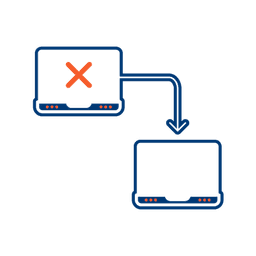
Integrated Failover to the next available channel
Where another channel in our omnichannel platform is unsuccessful in delivering a message, we can automatically fail over to email. Priority and fail over channels are configurable.

Detailed Reporting
Bidvest Data provides near-real-time and periodic aggregate batched reporting on consumer engagement, including link tracking, email delivery status, and customized reports on microsite access.
Ready to Transform Your EMAIL?
Get started today and see immediate results
Frequently Asked Questions
Get answers to common questions about EMAIL