
Email Spam Rating Reduction: A Comprehensive Enterprise Guide Compared to Traditional Methods
Discover advanced strategies for reducing email spam ratings compared to traditional methods. Learn how Bidvest Data's innovative solutions enhance email deliverability and improve enterprise communication.
In an ever-evolving digital landscape, enterprises face significant challenges regarding email communication, particularly concerning spam filtering and effective message delivery. High spam ratings can hinder operational efficiency and damage reputations. This comprehensive guide explores advanced techniques for reducing email spam ratings compared to traditional methods, specifically for medium to large enterprises in South Africa. We will delve into modern practices, their effectiveness, and actionable insights that IT decision-makers, compliance officers, and operational heads can implement.
Understanding Email Spam Ratings and Their Impact
Email spam ratings reflect how likely an email is to be filtered as spam by recipient servers. High spam ratings can lead to poor deliverability rates, damaging customer relationships and lowering engagement. For enterprises, especially those in regulated sectors like finance, healthcare, and telecoms, ensuring reliable email communication is crucial.
Key Factors Influencing Email Spam Ratings
- Content Quality: Poorly written or misleading content increases spam scores.
- Reputation: IP reputation and domain authority affect filtering decisions.
- Recipient Engagement: Low open rates and high complaint rates can signal spam.
- Compliance with Standards: Non-compliance with regulations like POPIA can lead to punitive measures.
Traditional Methods of Email Spam Reduction
Traditionally, enterprises relied on fundamental techniques to minimize spam ratings, including:
1. Basic Filtering
Using basic filters to detect and block known spam keywords and phrases. However, this method often leads to false positives and can miss new tactics used by spammers.
2. Recipient Feedback
Collecting feedback from recipients on whether emails go to spam. While useful, this method can be slow and subjective.
3. Whitelisting
Requesting recipients to whitelist sender addresses. This approach places the onus on recipients but can be ineffective for reaching new customers.
Innovative Approaches for Spam Rating Reduction
Emerging technologies and advanced techniques have emerged, significantly outperforming traditional methods:
1. AI-Powered Filters
Advanced machine learning algorithms analyze complex patterns in email content, sender behavior, and engagement metrics to dynamically filter spam effectively.
2. Authentication Protocols
Implementation of protocols like SPF, DKIM, and DMARC improves sender verification and significantly reduces impersonation attempts, thereby enhancing deliverability.
3. Segmented Audiences
Personalizing and segmenting email audiences increases engagement and reduces the chances of recipients marking emails as spam.
Benefits of Modern Spam Rating Reduction Techniques
Switching to innovative approaches yields several advantages for enterprises:
1. Improved Deliverability Rates
AI-powered filters adapt to evolving spam tactics, ensuring higher deliverability.
2. Enhanced Sender Reputation
Adherence to authentication protocols builds trust and safeguards sender reputations.
3. Increased Customer Engagement
Tailored messages resonate better with the audience, enhancing engagement and conversion rates.
Implementation Strategies for Enterprises
To effectively reduce email spam ratings, enterprises can adopt the following strategies:
1. Regular Content Review
Continuously evaluate email content for readability, relevance, and compliance with regulations.
2. Engagement Tracking
Monitor recipient interactions and adjust strategies based on preferences and behaviors.
3. Invest in Technology
Utilize AI and machine learning tools for real-time spam analysis and proactive management.
Conclusion: Transforming Email Communication for Enterprises
Reducing email spam ratings is critical for enterprise effectiveness and customer relationships. By embracing innovative techniques over traditional methods, businesses can enhance deliverability, strengthen reputations, and significantly improve engagement. As regulations like POPIA continue to evolve, it’s imperative that South African enterprises adapt their email strategies for success.
Key Features Include
Discover our comprehensive solution features designed to transform your business communication experience
Managing your sending domains
We implement your designs, images and artwork for optimal delivery. We measure and manage spam ratings, and we monitor and manage blacklisting and reputation of sending domains.

Zero Rated Data
PDF documents, HTML content, videos and animations can be hosted on our Zero Rated Data domains. Reverse billing of data on these domains ensure access for end users to content at no cost. Bidvest Data offers this service on all South African and Namibian mobile networks.
Customizable
Bidvest Data offers custom-built, screen adaptive, HTML environments, enabling features like animation, rotating GIFs, and interactive buttons in the email body and built into the unique microsite.
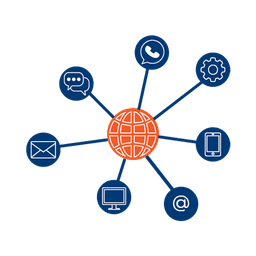
Large File Batch and Near Real Time Singular Sending
Our service includes automated large file batch sending through sFTP data transfer. The data can selectively drive template messaging. Near real-time email sending is facilitated through our API, using templates or dynamic text.
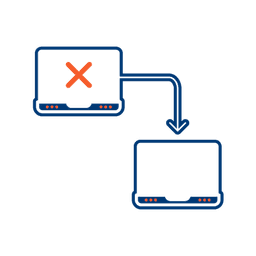
Integrated Failover to the next available channel
Where another channel in our omnichannel platform is unsuccessful in delivering a message, we can automatically fail over to email. Priority and fail over channels are configurable.

Detailed Reporting
Bidvest Data provides near-real-time and periodic aggregate batched reporting on consumer engagement, including link tracking, email delivery status, and customized reports on microsite access.
Ready to Transform Your EMAIL?
Get started today and see immediate results
Frequently Asked Questions
Get answers to common questions about EMAIL