
Email Reporting vs. Traditional Methods: A Comprehensive Guide for Enterprises in South Africa
Explore the differences between email reporting and traditional methods, emphasizing efficiency, compliance, and operational effectiveness. Discover why email reporting is essential for modern South African enterprises.
In the fast-paced business environment of South Africa, organizations must leverage every tool at their disposal to improve operational efficiency and communication. This comprehensive guide investigates the effectiveness of email reporting compared to traditional reporting methods, revealing how businesses can enhance their reporting processes, increase productivity, and ensure compliance with regulations such as POPIA.
Understanding Traditional Reporting Methods
Traditional reporting methods often involve manual processes including paper reports, postal mail, or face-to-face meetings for data distribution. Many organizations continue to rely on these outdated methods for compliance, feedback, and decision-making, which can lead to inefficiencies and delays. Here are some common traditional reporting techniques:
Common Traditional Reporting Techniques
- Printed Reports: Reports generated and printed on paper, requiring physical distribution among stakeholders.
- Face-to-Face Meetings: In-person presentations, leading to time inefficiencies and logistical challenges.
- Postal Mail: Sending reports via traditional mail, which can delay response times and critical decision-making.
- Faxing Documents: Utilizing fax machines, often resulting in poor quality and reliability issues.
The Emergence of Email Reporting
Email reporting has gained popularity as an efficient alternative to traditional reporting methods. This digital process utilizes email to disseminate reports and updates, significantly enhancing communication speed and accuracy. Some key aspects include:
Advantages of Email Reporting
- Immediate Delivery: Reports can be sent instantly, ensuring timely communication across departments.
- Cost-Effective: Eliminates costs associated with printing, paper, and postage.
- Easier Collaboration: Recipients can easily share and discuss reports through email replies, facilitating collaboration.
- Customizable Formats: Organizations can use diverse formats (PDF, Excel, Word) to suit stakeholders’ preferences.
Comparative Analysis: Advantages and Disadvantages
When considering email reporting and traditional reporting methods, it’s essential to understand the distinct advantages and potential drawbacks associated with each:
Email Reporting Advantages
- Quick dissemination of information
- Secure documentation via encryption
- Efficient tracking and follow-up via automated alerts
- Ability to attach multimedia elements for enriched content
Email Reporting Disadvantages
- Dependence on internet access
- Potential for email overload leading to neglect of important messages
Traditional Reporting Advantages
- Physical documentation for legal verification
- May foster stronger personal connections during meetings
Traditional Reporting Disadvantages
- Time-consuming processes
- Higher costs related to production and distribution
- Limited accessibility to recipients in different locations
Integration with Compliance Standards
In South Africa, compliance with the Protection of Personal Information Act (POPIA) is critical for all businesses. Email reporting allows organizations to implement strict access controls and encryption, ensuring that sensitive information remains protected. Traditional methods, by contrast, may lack adequate security measures, increasing the risk of data breaches and compliance violations.
Key Compliance Advantages of Email Reporting
- Automated compliance monitoring features
- Easy documentation for audits
- Improved tracking of report recipients and interactions
- Reduced risk of human error
Conclusion: Choosing the Right Reporting Method
Ultimately, the choice between email reporting and traditional methods depends on the specific needs of your enterprise. By weighing the speed, cost-efficiency, security, and compliance considerations, businesses can make informed decisions that enhance their reporting processes and overall operational effectiveness. As enterprises grow, integrating advanced technologies like email reporting will not only streamline communication but also improve compliance with regulatory standards, ensuring a competitive edge in the South African market.
Key Features Include
Discover our comprehensive solution features designed to transform your business communication experience
Managing your sending domains
We implement your designs, images and artwork for optimal delivery. We measure and manage spam ratings, and we monitor and manage blacklisting and reputation of sending domains.

Zero Rated Data
PDF documents, HTML content, videos and animations can be hosted on our Zero Rated Data domains. Reverse billing of data on these domains ensure access for end users to content at no cost. Bidvest Data offers this service on all South African and Namibian mobile networks.
Customizable
Bidvest Data offers custom-built, screen adaptive, HTML environments, enabling features like animation, rotating GIFs, and interactive buttons in the email body and built into the unique microsite.
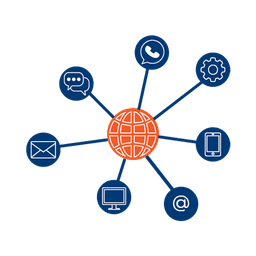
Large File Batch and Near Real Time Singular Sending
Our service includes automated large file batch sending through sFTP data transfer. The data can selectively drive template messaging. Near real-time email sending is facilitated through our API, using templates or dynamic text.
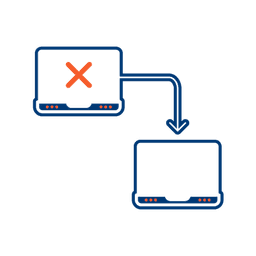
Integrated Failover to the next available channel
Where another channel in our omnichannel platform is unsuccessful in delivering a message, we can automatically fail over to email. Priority and fail over channels are configurable.

Detailed Reporting
Bidvest Data provides near-real-time and periodic aggregate batched reporting on consumer engagement, including link tracking, email delivery status, and customized reports on microsite access.
Ready to Transform Your EMAIL?
Get started today and see immediate results
Frequently Asked Questions
Get answers to common questions about EMAIL