
Compliance Standards in Email Communications: Essential Guide for Enterprises in South Africa 2024
Explore compliance standards governing email communications in South Africa, including POPIA, GDPR, and ECT Act. Gain insights into best practices, consequences of non-compliance, and the role of technology in ensuring adherence.
In an increasingly regulated digital landscape, enterprises must prioritize compliance in their email communications to protect customer data, build trust, and ensure legal adherence. This comprehensive guide explores the critical compliance standards that govern email communications in South Africa, enabling companies to implement robust practices that align with industry regulations and best practices.
Understanding Compliance Standards for Email Communications
Email communications are central to business operations, especially in data-sensitive sectors such as finance, healthcare, and government. Adhering to compliance standards is vital not just for legal reasons, but also for reinforcing customer trust and safeguarding sensitive information.
Key Compliance Frameworks Affecting South African Businesses
South African enterprises must navigate various compliance frameworks that influence email communication practices. The following standards are paramount:
1. POPIA (Protection of Personal Information Act)
- Ensures the lawful processing of personal information.
- Mandates clear consent from individuals for information handling.
- Requires organizations to implement adequate security measures to protect personal data.
2. GDPR (General Data Protection Regulation)
- While GDPR is an EU regulation, it affects South African companies dealing with EU citizens.
- Requires explicit consent for data processing and mandates data protection measures.
- Imposes heavy fines for non-compliance, making it crucial for businesses to understand and implement its requirements.
3. ECT Act (Electronic Communications and Transactions Act)
- Regulates electronic communications and makes provisions for electronic transactions.
- Ensures that electronic communications are legally recognized.
- Promotes consumer protection and data security in digital communications.
Implementing Compliance in Email Communications
To ensure compliance with the above standards, enterprises should take the following steps:
Best Practices for Compliance in Email Communications
- Obtain Explicit Consent: Always acquire clear, informed consent from recipients before sending marketing emails or processing their data.
- Conduct Regular Audits: Perform routine compliance audits to assess adherence to existing laws and policies.
- Implement Security Protocols: Use encryption and secure access methods to protect sensitive information shared through email.
- Maintain Transparency: Clearly communicate privacy practices, data handling procedures, and the purpose of data collection to users.
- Train Employees: Educate staff on compliance requirements and best practices in communication to minimize risks.
Consequences of Non-Compliance
Failure to comply with email communication standards can result in significant consequences, including:
Potential Risks of Non-Compliance
- Legal Penalties: Companies may face heavy fines and legal actions for violations.
- Loss of Reputation: Breaches in compliance can damage brand reputation, eroding customer trust and loyalty.
- Increased Scrutiny: Non-compliance can invite increased scrutiny from regulators and the risk of audits.
The Role of Technology in Ensuring Compliance
Modern technology plays a vital role in establishing compliance in email communication. Advancements include:
Email Authentication Tools
Technologies such as SPF, DKIM, and DMARC help enhance email security and authenticity, which is crucial for compliance.
Data Loss Prevention (DLP)
DLP solutions monitor and protect sensitive data, ensuring compliance with privacy regulations during email exchanges.
Promoting a Culture of Compliance
Incorporating compliance as a core value within the company culture fosters accountability and awareness among employees. Organizations should encourage a proactive stance towards compliance by:
- Incorporating compliance goals into performance evaluations.
- Offering incentives for teams that demonstrate strong compliance practices.
- Regularly sharing updates about regulatory changes and compliance successes.
Conclusion
Understanding and implementing compliance standards in email communications is not just about adhering to legal regulations; it is about building trust with customers and safeguarding sensitive information. By embracing best practices, leveraging technology, and fostering a culture of compliance, enterprises can navigate the complexities of email communications and protect their operations in the long term.
Key Features Include
Discover our comprehensive solution features designed to transform your business communication experience
Managing your sending domains
We implement your designs, images and artwork for optimal delivery. We measure and manage spam ratings, and we monitor and manage blacklisting and reputation of sending domains.

Zero Rated Data
PDF documents, HTML content, videos and animations can be hosted on our Zero Rated Data domains. Reverse billing of data on these domains ensure access for end users to content at no cost. Bidvest Data offers this service on all South African and Namibian mobile networks.

Customizable
Bidvest Data offers custom-built, screen adaptive, HTML environments, enabling features like animation, rotating GIFs, and interactive buttons in the email body and built into the unique microsite.
Large File Batch and Near Real Time Singular Sending
Our service includes automated large file batch sending through sFTP data transfer. The data can selectively drive template messaging. Near real-time email sending is facilitated through our API, using templates or dynamic text.
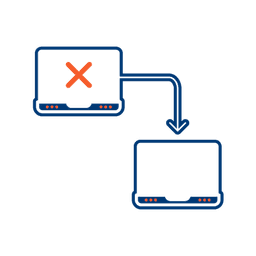
Integrated Failover to the next available channel
Where another channel in our omnichannel platform is unsuccessful in delivering a message, we can automatically fail over to email. Priority and fail over channels are configurable.

Detailed Reporting
Bidvest Data provides near-real-time and periodic aggregate batched reporting on consumer engagement, including link tracking, email delivery status, and customized reports on microsite access.
Ready to Transform Your EMAIL?
Get started today and see immediate results
Frequently Asked Questions
Get answers to common questions about EMAIL