
Automate Email Processes: A Comprehensive Guide for South African Enterprises in 2024
Discover how to effectively automate email processes for your enterprise operations. Learn about tools, strategies, and best practices focused on enhancing efficiency and compliance.
In today's fast-paced business environment, automating email processes is essential for enterprises looking to enhance efficiency, reduce operational costs, and maintain compliance with regulations such as POPIA. This comprehensive guide delves into the various methods and tools available for automating email communication, focusing on the specific needs of South African businesses operating in sectors such as finance, healthcare, logistics, and government.
Understanding Email Process Automation
Email process automation refers to the use of software solutions and technologies that enable organizations to streamline and automate their email communication workflows. This includes automating tasks such as sending transactional emails, marketing communications, customer notifications, and internal communications. By reducing manual intervention, enterprises can improve response times and overall operational efficiency.
Key Benefits of Automating Email Processes
- Increased Efficiency: Automation significantly reduces the time spent on manual email management, allowing your team to focus on strategic tasks.
- Error Reduction: Automated processes minimize the risk of human error in email communication, ensuring information accuracy and consistency.
- Enhanced Compliance: Automating email workflows helps organizations maintain compliance with regulatory requirements through standardized communications.
- Improved Customer Engagement: Timely and relevant automated emails improve customer experiences and foster better relationships.
Identifying Areas for Email Process Automation
To effectively automate email processes, it’s important to identify specific areas within your organization that would benefit the most from automation. Consider the following areas:
Common Use Cases for Automation
- Transactional Emails: Automated billing statements, order confirmations, or account notifications that require minimal human oversight.
- Marketing Campaigns: Email marketing solutions can automate the sending of promotional content to segmented audience lists based on user behavior.
- Customer Support: Automated responses to frequently asked questions or confirmation emails can enhance customer service by providing immediate assistance.
- Internal Communications: Streamline employee onboarding processes or policy updates through automated newsletters and memos.
Choosing the Right Automation Tools
When selecting email automation tools, consider scalability, integration capabilities, and compliance standards. Here are some critical features to look for:
Scalability
Your chosen solution should grow with your organization, accommodating increasing volumes of email traffic as your operations expand.
Integration with Existing Systems
Ensure that the tool can seamlessly integrate with your existing CRM, ERP, or other systems to ensure smooth data flow.
Implementation Strategies for Email Process Automation
Implementing email automation requires careful planning and execution. Here are some essential steps:
Step-by-Step Guide to Implementation
- Assess Current Processes: Evaluate your existing email workflows to identify bottlenecks and redundancy.
- Define Goals: Establish specific objectives you aim to achieve through email automation, such as improving response times or reducing manual tasks.
- Select Suitable Tools: Based on your evaluation, choose the tools that best align with your objectives.
- Run Pilot Tests: Before full-scale deployment, conduct pilot tests to identify potential issues and gather feedback from stakeholders.
- Monitor and Optimize: Continuously analyze your automated processes to identify areas for further improvement.
Measuring the Impact of Email Automation
To understand the effectiveness of your email automation efforts, it is crucial to track and measure key performance indicators (KPIs). Some essential metrics to consider include:
Response Rates
Measure the increase in customer response rates for automated communications.
Cost Efficiency
Track savings generated through reduced manual labor and faster processing times.
Customer Satisfaction
Gather feedback to determine how automated processes are enhancing the customer experience.
Conclusion: Unlocking the Power of Email Process Automation
For enterprises in South Africa, automating email processes is not just a trend; it’s a necessity for staying competitive in an increasingly digital economy. By leveraging the right tools and strategies, businesses can optimize their email workflows, ensuring faster, safer, and more effective communications with clients and stakeholders.
Key Features Include
Discover our comprehensive solution features designed to transform your business communication experience
Managing your sending domains
We implement your designs, images and artwork for optimal delivery. We measure and manage spam ratings, and we monitor and manage blacklisting and reputation of sending domains.

Zero Rated Data
PDF documents, HTML content, videos and animations can be hosted on our Zero Rated Data domains. Reverse billing of data on these domains ensure access for end users to content at no cost. Bidvest Data offers this service on all South African and Namibian mobile networks.
Customizable
Bidvest Data offers custom-built, screen adaptive, HTML environments, enabling features like animation, rotating GIFs, and interactive buttons in the email body and built into the unique microsite.
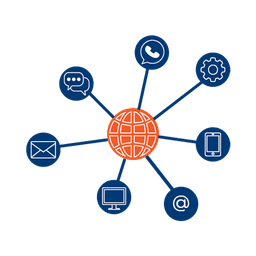
Large File Batch and Near Real Time Singular Sending
Our service includes automated large file batch sending through sFTP data transfer. The data can selectively drive template messaging. Near real-time email sending is facilitated through our API, using templates or dynamic text.
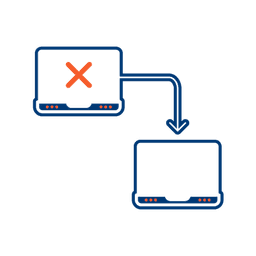
Integrated Failover to the next available channel
Where another channel in our omnichannel platform is unsuccessful in delivering a message, we can automatically fail over to email. Priority and fail over channels are configurable.
Detailed Reporting
Bidvest Data provides near-real-time and periodic aggregate batched reporting on consumer engagement, including link tracking, email delivery status, and customized reports on microsite access.
Ready to Transform Your EMAIL?
Get started today and see immediate results
Frequently Asked Questions
Get answers to common questions about EMAIL